
Menggali Makna di Balik Demo Mahasiswa di Bundaran HI: Suara Generasi Muda
Demo mahasiswa di Bundaran HI mencerminkan suara generasi muda yang menginginkan perubahan sosial. Temukan maknanya di sini.
Demo mahasiswa di Bundaran HI mencerminkan suara generasi muda yang menginginkan perubahan sosial. Temukan maknanya di sini.

Login Instanslot di Navapark, perumahan premium pasti gacor jaminan jackpot maksimal

Kenaikan BBM Pertamax membawa berbagai dampak ekonomi. Simak informasi lengkapnya dan cara menghadapinya di sini.

Memasuki bulan Juni 2026, PT Pertamina (Persero) kembali melakukan penyesuaian harga secara daftar instanslot berkala untuk produk Bahan Bakar Minyak
Di era digital saat ini, sebagian instanslot besar masalah tulang belakang dipicu oleh sering jackpot gaya hidup kurang bergerak (sedentary lifestyle) serta kebiasaan memelihara postur tubuh yang buruk dalam durasi lama.
Temukan panduan lengkap untuk pemula dalam investasi properti. Dapatkan tips dan trik untuk memulai perjalanan investasi Anda dengan percaya diri.

Artikel ini membahas pentingnya berhenti merokok dan manfaat dari kampanye tanpa rokok. Temukan cara untuk mengatasi kebiasaan merokok Anda.
Indonesia menghadapi tantangan besar dalam kesehatan, terutama terkait penyakit menular dan gaya hidup. Namun, peluang untuk perbaikan signifikan juga tersedia.
Instanslot saat ini tengah berada dalam koridor menuju era Indonesia Emas, di mana lompatan kemajuan negara sangat bergantung pada kualitas

Kesehatan slot gacor instanslot sistem saraf dan tulang belakang merupakan komponen krusial yang menentukan kualitas hidup serta mobilitas harian manusia.
Kehamilan merupakan salah satu fase paling transformatif dan krusial dalam kehidupan seorang wanita. Proses pertumbuhan satu sel mikroskopis menjadi seorang

Jepang memiliki satu situs web gacor bernama instanslot, tidak hanya dikenal sebagai salah satu negara dengan kemajuan teknologi terbesar di
Pernahkah Anda membuka media sosial di pagi hari, lalu tertegun saat membaca ramalan zodiak yang terasa sangat akurat dengan kondisi
Lagi pusing mikirin isi dompet yang makin menipis akibat krisis ekonomi? Tenang, lu nggak sendirian karena banyak orang sedang berjuang

Pernahkah Anda merasa punggung terasa kaku setelah seharian duduk di depan laptop? Atau mungkin Anda sering merasakan nyeri yang menjalar

Lu akhirnya mutusin buat ambil langkah besar: berhenti merokok. Selamat! Itu adalah keputusan paling keren yang lu ambil tahun ini.
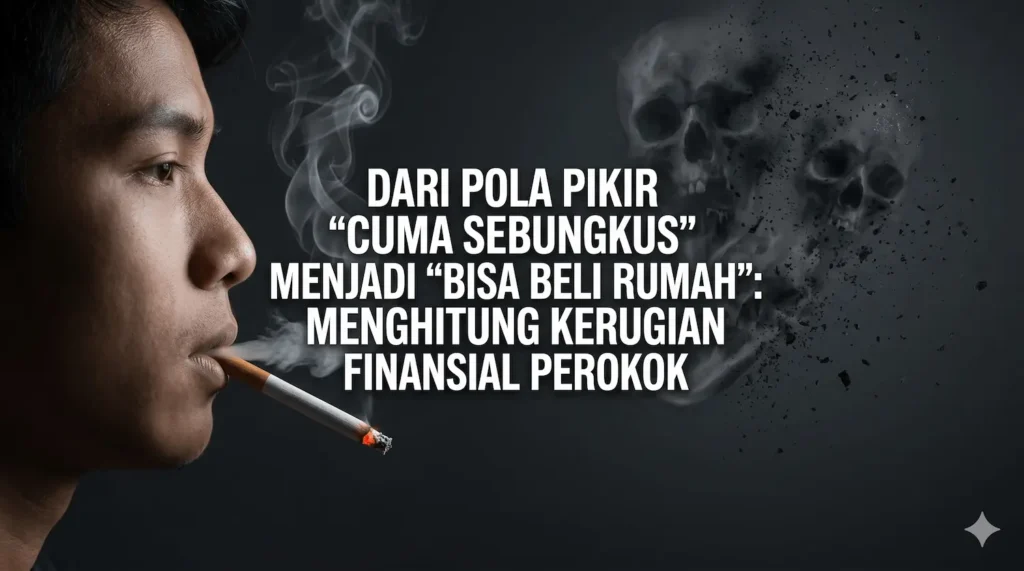
Pernah gak sih lu ngerasa uang di rekening tiba-tiba habis gitu aja, padahal ngerasa gak beli barang-barang branded atau jalan-jalan
Bagi sebagian orang, sebatang rokok sering kali dianggap sebagai sahabat setia. Ia hadir menemani secangkir kopi di pagi hari, menjadi